Electrical Installation Condition Report: Dublin Guide 2026

You've probably landed here in one of three situations. You're buying a house in Dublin and the survey has raised questions about the electrics. You're a landlord getting a property ready for new tenants. Or you've just been handed a report with codes on it and you're trying to work out whether you've got a serious problem or just a list of upgrades to think about.

That's where an electrical installation condition report can feel more complicated than it needs to be. The name is a mouthful, the paperwork can look technical, and plenty of people aren't sure what happens after the inspection, especially if the result comes back unsatisfactory.

The good news is that it's far more straightforward than it sounds. An EICR is a formal way of checking the condition of a property's fixed electrical system so you know what's safe, what needs attention, and what needs to happen next. If you're already dealing with flickering lights, tripping circuits, or signs of wear, it also helps to understand where an inspection fits in alongside broader electrical home repairs in Dublin.

Table of Contents

Your Guide to Electrical Safety in Dublin

You get the keys, move a few bits of furniture, and notice the electrics do not quite add up. A newer consumer unit in the hall. Older sockets in the back room. An extension that looks newer than the rest of the house, but no paperwork to match. That is a common enough starting point in Dublin, especially in older homes, rentals, and premises that have been altered over the years.

An electrical installation condition report gives a clear picture of the fixed electrics as they stand today. It checks the installation properly and puts the findings in writing, so you are not relying on assumptions, old certs, or a quick look at the fuse board.

Practical rule: If you own, let, manage, or are buying a property, clear records on the electrics save time, money, and arguments later.

Value comes from what happens next. A satisfactory report gives you a solid record to keep on file. An unsatisfactory report gives you a list of specific items to fix, in order of priority, so the remedial work can be scoped and priced properly. For landlords in Dublin, that means fewer surprises between tenancies. For homeowners, it means you can deal with actual defects instead of guessing what might need attention. If small faults come up alongside the inspection, it also helps to understand the difference between reportable issues and routine electrical home repairs.

In practice, that makes conversations much easier. Instead of hearing "the electrics need work," you can ask what was found, how urgent it is, what needs to be done first, and what can be planned in stages. That is the part many people want explained plainly. Not the paperwork itself, but the route from report to safe, compliant installation.

What Is an Electrical Installation Condition Report

You get a report back, and the first question is usually simple. What exactly has been checked, and what does this paperwork mean for the property?

An electrical installation condition report, or EICR, is a formal inspection report on the fixed electrics in a building. It deals with the parts you do not unplug and carry away. Wiring, the consumer unit or fuse board, earthing, bonding, sockets, switches, and the safety devices protecting the installation all fall within its scope. The job of the report is to record the condition of those items at the time of inspection and state whether the installation is satisfactory or unsatisfactory for continued use.

A clear infographic explaining the purpose and importance of an Electrical Installation Condition Report for property safety.

That matters because a property can have lights, heating, and working sockets while still having faults hidden behind the scenes. Older alterations, worn accessories, poor past workmanship, or missing protection do not always show themselves in day-to-day use. An EICR puts those issues in writing, with clear observations instead of guesswork.

What the report records

A proper report shows what was inspected, what was tested, and any areas the electrician could not access. If part of the installation was hidden or locked off, that should be stated plainly. If faults are found, they should be written as specific observations that can be priced and repaired, not vague comments that leave the owner guessing.

In practical terms, the report looks at fixed items such as:

  • Consumer unit or fuse board: its condition, suitability, and the protection it provides
  • Sockets and switches: signs of damage, wear, loose fittings, or poor installation
  • Wiring and connections: deterioration, age-related issues, or previous work that falls short of current expectations
  • Earthing and bonding: whether the main safety arrangements are present and effective
  • Protective devices such as RCDs: whether they are fitted and operating as intended

A good EICR also gives context. It records the age or type of installation where that can be identified, notes any limitations during the inspection, and finishes with an overall outcome. For a landlord or homeowner in Dublin, that creates a clear record to keep on file and a practical starting point if remedial work is needed.

The useful part is not the paperwork for its own sake. It is what the report lets you do next. If the result is satisfactory, you have a dated record showing the installation was checked. If the result is unsatisfactory, you have a defined list of issues to sort, usually in an order that helps you deal with the most important items first.

A good EICR should leave you with a clear plan, not a vague warning.

That is why the wording matters. Done properly, an EICR gives homeowners, landlords, and property managers a straight answer on the condition of the fixed electrics and a practical route to put anything wrong right.

When Do You Need an EICR for Your Property

A lot of people book an EICR only after a problem starts causing hassle. A sale is underway. A new tenant is due in next week. A fuse board keeps tripping and nobody is sure whether it is a minor fault or the start of a bigger job. It is better to arrange the inspection before you are under pressure, because the report gives you time to price the work, plan access, and deal with any defects in the right order.

For homeowners

For owner-occupied homes, the commonly recommended interval is every 10 years, or on moving into a new property, as set out in Electrical Safety First's guide to condition reports.

In Dublin, that timing is sensible. I regularly see houses that look tidy and well kept but still have older wiring, additions from past renovations, or protection that is no longer up to the standard you would want today. None of that automatically means a full rewire is needed. It does mean a proper inspection is the sensible way to find out where you stand before a small issue turns into a disruptive one.

A house purchase is another common trigger. An EICR will not tell you everything about a property, but it does give you a clearer picture of the fixed electrics before you take responsibility for them.

For landlords and rental properties

Rental properties are usually checked more often. The common benchmark is every 5 years.

That shorter cycle reflects real wear and tear. Tenancies change, appliances get swapped, sockets take more knocks, and small defects can sit unnoticed between visits. For landlords, the practical value of an EICR is not just the certificate itself. It gives you a list of what needs attention, which is exactly what you need if the report comes back unsatisfactory and you have to organise remedial work quickly.

This matters most at the handover points. Before a new tenant moves in, or soon after a long tenancy ends, an inspection can save a lot of chasing later.

For businesses and commercial premises

Commercial premises should also be inspected on a regular cycle, often around 5 years depending on the type of use and the condition of the installation.

A shop, office, salon, café, or small workshop usually has more electrical demand than a typical house. There may be extra lighting, equipment added during fit-outs, storage areas, kitchen supplies, signage, or bits of old and new work joined together over time. An EICR helps identify what is safe to leave, what should be improved, and what needs to be dealt with before it causes downtime.

For business owners, that next-step clarity is the useful part. If the report flags problems, you can separate urgent remedial work from items that can be planned into maintenance or a refit.

Property type Common guidance
Homeowner-occupied property 10-year interval recommended
Rental property 5-year cycle commonly used
Commercial premises Often managed on a 5-year cycle

Book the inspection before there is a crisis. That gives you options, and if the outcome is unsatisfactory, it is far easier to organise repairs calmly than to scramble after a failed letting, a delayed sale, or a call from a worried tenant.

Decoding the Report Understanding Observations and Codes

A chart explaining EICR observation codes for electrical safety assessment, categorizing risks from urgent to recommended improvement.

Why the wording matters

When people first open an EICR, the part that usually throws them is the coding. The document can look technical, but the codes are really there to sort findings by seriousness.

That's important because a proper report isn't meant to be a vague summary. NICEIC guidance says the report should state the extent of what was inspected and tested, and each item recorded should describe a specific defect, omission, damage, or dangerous condition. You can read that in the NICEIC best practice guide on inspection reporting.

So if your report is done properly, it should help you prioritise the work. It shouldn't leave you guessing.

To make the codes easier to follow, this short video gives useful context before we break them down in plain English:

What the codes mean in plain English

The main observation codes you'll usually see are these:

  • C1

    This means danger present. It points to something that presents an immediate risk and needs urgent action. In practical terms, this is not a “we'll get to it next month” item.

  • C2

    This means potentially dangerous. It may not be causing immediate harm at the exact moment of inspection, but it's serious enough that remedial action should be treated as urgent.

  • C3

    This means improvement recommended. It's not classed the same way as C1 or C2, but it's a sign that the installation could be brought up to a better standard.

  • FI

    This means further investigation required. The electrician has identified something that needs closer examination before a final view can be taken.

If you remember one thing, remember this. C1 and C2 are safety items. C3 is an improvement item. FI means there's still another question to answer.

People often get anxious when they see a list of observations. That's understandable. But a report with coded observations is doing its job. It's turning a hidden issue into a visible one with a level of urgency attached.

A practical example helps:

Code What it means for you
C1 Make safe and arrange immediate remedial work
C2 Book corrective work without delay
C3 Consider upgrading when planning maintenance or improvement works
FI Arrange the extra investigation needed to reach a clear conclusion

An EICR becomes far less intimidating once you stop reading it as a verdict and start reading it as a priority list.

The EICR Process with Forward Electrical

Before the inspection

From the client side, the process should feel organised and clear from the start. The first step is usually a conversation about the property itself. A small apartment, an older semi-detached house, and a mixed-use commercial unit all need slightly different planning.

The useful details are simple. Age of the property, whether it's occupied, whether there have been extensions or previous upgrades, and whether there are any known electrical issues already. None of that changes the purpose of the inspection, but it does help set expectations properly.

A five-step process diagram illustrating the professional electrical installation condition report procedure provided by Forward Electrical.

On the day

The inspection itself is thorough but it shouldn't feel chaotic. A qualified electrician will need access to the distribution board, sockets, lighting points, and other fixed parts of the installation. Some testing means the power may need to be turned off briefly while circuits are checked safely.

That catches some people off guard, especially in occupied homes or businesses. It's normal. Proper testing can't be done by just looking around. The electrician needs to assess the installation, record observations accurately, and note any limitations where access isn't possible.

A practical visit usually includes:

  1. Visual assessment of accessible parts so obvious damage, wear, older components, or signs of poor previous work can be identified.
  2. Testing of circuits and protection to assess whether the installation is behaving as it should.
  3. Recording observations clearly rather than leaving the client with vague remarks.
  4. Noting limitations where parts of the installation could not reasonably be inspected.

The best inspections are calm, methodical, and well explained. If the process feels rushed, the paperwork often is too.

After the testing is complete

Once the inspection is finished, the report should be issued in a format that's easy to read and keep on file. A typed digital report is far more useful than a loose handwritten note, especially for landlords, managing agents, and business owners who may need to refer back to it later.

If there are observations, the next useful step is explanation. Not everyone wants every technical detail, but everyone should understand three things: what was found, how urgent it is, and what needs to happen next.

That's the point where a proper EICR becomes useful rather than just official. It gives you a record, a safety position, and a workable list of actions if remedial work is needed.

What Happens After an Unsatisfactory Report

You open the report, see unsatisfactory, and the first question is usually simple enough. What do I need to do now?

In practice, that result does not automatically mean the whole installation is dangerous or that the property needs major work. It means the inspection has found issues that need to be put right before the installation can be regarded as satisfactory. The useful part starts here, because the report should tell you what those issues are and how urgently they need attention.

A professional electrician in safety gear reviews an electrical document in front of an open distribution board.

For Dublin landlords and homeowners, the first job is to separate the urgent items from the rest. If the report includes C1 or C2 observations, those come first. A C1 means there is immediate danger. A C2 means the defect could become dangerous, so it still needs prompt repair. PAT Testing Ireland's EICR explainer gives a useful plain-English overview of the kinds of faults that can lead to those codes, including problems with earthing, bonding, protective devices, polarity, and test results.

The next step is to get the remedial work properly scoped. That matters more than many people realise. A good electrician will tell you exactly what is being fixed, what can be repaired, what should be upgraded, and whether any part of the installation needs further investigation before a price is agreed. Some jobs are straightforward, such as replacing a damaged accessory, correcting bonding, or sorting faults in a consumer unit. Other reports uncover a pattern of older wiring, poor additions, or repeated defects across circuits, and that can lead to bigger decisions about upgrading or rewiring an older Dublin house.

For landlords, there is also a practical management piece. Tenants may need access arranged. Power may need to be isolated for part of the job. If there are urgent defects, temporary safety measures might be needed until the repair is completed. That is why a clear plan beats a vague promise to “come back and sort it”.

A sensible sequence usually looks like this:

  • Read each observation, not just the overall result
  • Prioritise C1 and C2 items for prompt repair
  • Ask for a written scope of remedial works
  • Agree access, timing, and any likely disruption
  • Keep the EICR, invoices, and certificates together

The paperwork after the repair matters. Once the defects listed on the report have been corrected, the electrician should issue the right certification for the work carried out. Depending on what was done, that may be a certificate for the remedial work itself, and in some cases a further inspection or updated report to confirm the installation is now satisfactory.

That final step is where people often feel the fog lifts. You are no longer looking at a problem with no clear end point. You have a record of what was found, what was repaired, and what has been certified. For a homeowner, that is useful future proofing. For a landlord, it is part of showing the property has been properly maintained and the electrical installation has not been left with known faults.

The main mistake is delay. Unsatisfactory reports are manageable when the findings are dealt with in order, by a qualified electrician, with the paperwork finished properly at the end.

Choosing a Qualified Electrician in Dublin

What to check before you book

Not every electrician carries out inspection and reporting to the same standard. For an electrical installation condition report, the quality of the inspection matters just as much as the fact that one was done.

The first thing to check is registration. In Ireland, you should be looking for a Safe Electric registered electrical contractor. That gives you a basic level of confidence that you're dealing with someone working within the proper framework. If you're not sure what that means in practice, it helps to read up on what a registered electrical contractor in Ireland is expected to provide.

Then look at the fit between the contractor and your property. A modern apartment block, a Victorian redbrick in Dublin, and a commercial kitchen all present different inspection challenges. Experience with similar properties matters because older buildings and altered installations often need a more careful eye.

A simple checklist helps:

  • Registration: Confirm the electrician is properly registered and qualified for inspection work.
  • Relevant experience: Ask whether they regularly inspect properties like yours.
  • Insurance and professionalism: A serious contractor should have appropriate cover and a professional reporting process.
  • Typed reporting: Ask whether you'll receive a detailed report, not just a quick handwritten note or verbal summary.

You don't need someone who makes the process sound dramatic. You need someone methodical, clear, and comfortable explaining findings in plain English.

EICR Frequently Asked Questions

How much does an EICR cost

Cost depends on the property and the amount of testing needed. The main factors are the size of the premises, the age of the installation, the number of circuits, how easy the system is to access, and whether the property is occupied.

In Dublin, an older house that has been extended or altered over the years usually takes more time than a newer property with a tidy, well-labelled consumer unit. That extra time is not fluff. It is what allows the electrician to test properly and give clear recommendations if anything needs attention.

How long does the inspection take

Inspection time varies for the same reasons. A small apartment can be straightforward. A larger house, rental property, or commercial unit with more circuits and limited access will take longer.

The sensible approach is to judge the job by the standard of the inspection, not by speed. If the testing is thorough and the observations are recorded clearly, that is time well spent.

Is it required when selling a house

An EICR is not usually treated as a standard sale document in the way title paperwork is. It can still be a very useful report to have if the wiring is older, records are missing, or a buyer raises questions about the condition of the electrics.

For sellers, it helps reduce uncertainty before surveys and viewings turn into price discussions. For buyers, it gives a clearer picture of what may need repair after purchase.

Is an EICR the same as PAT testing

They cover different parts of electrical safety.

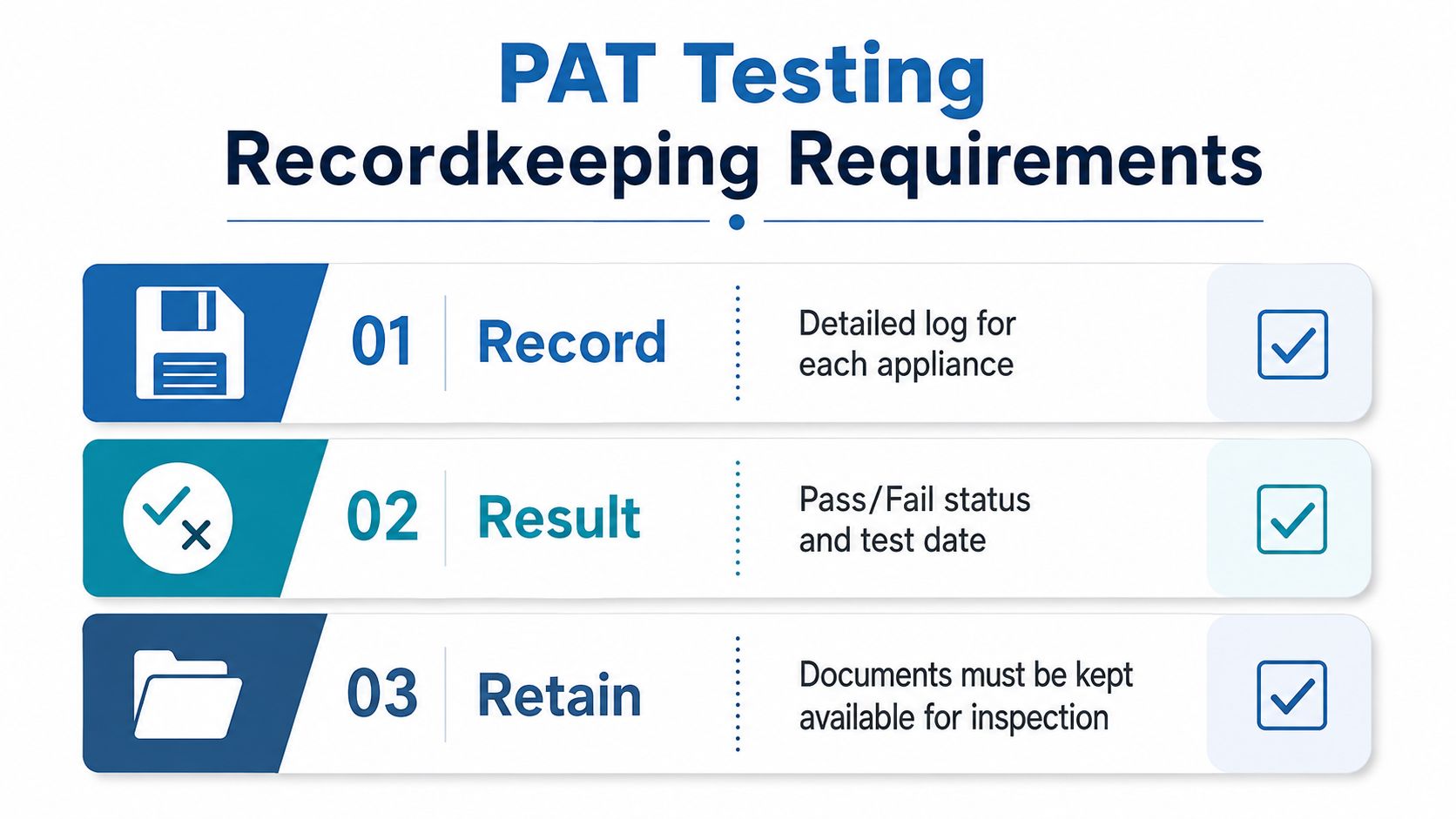
An electrical installation condition report deals with the fixed electrical installation. That includes wiring, the fuse board, sockets, protective devices, and the permanent parts of the system built into the property. PAT testing deals with portable appliances such as kettles, monitors, extension leads, and other plug-in equipment.

That distinction matters after an unsatisfactory result. If the report highlights faults in the fixed wiring, the next step is usually remedial work on the installation itself, followed by updated paperwork or a further inspection where needed. For landlords and homeowners, that is often the part that feels least clear, but in practice it is straightforward once the observations are prioritised and the work is planned in the right order.

If you need advice on an electrical installation condition report for a home, rental property, or commercial premises in Dublin, Forward Electrical can help with practical guidance, professional inspections, remedial works, and the certification needed to keep your property safe and properly documented.

Electrical Contractors Registration Ireland: Your 2026 Guide

If you're a landlord in Dublin with a tenant ringing about tripping power, or a newly set-up electrician trying to get your paperwork in order, the same confusion comes up again and again. Someone says they're “qualified”, someone else says they're “RECI registered”, and another person mentions Safe Electric. It often sounds like the same thing.

It isn't.

In Ireland, being a trained electrician and being a registered electrical contractor are connected, but they're not interchangeable. One speaks to trade skill. The other speaks to legal standing, certification, and whether the work can be signed off properly when the job calls for it. That distinction matters a lot in Dublin, where rental compliance, property sales, upgrades, rewires, and remedial works often move quickly and leave very little room for paperwork mistakes.

Table of Contents

More Than Just a Qualification

A very common Dublin scenario goes like this. A landlord in Clontarf, Raheny, or Drumcondra gets a call because sockets have gone dead or the board is tripping. They need somebody fast. They ring an electrician who says he's fully qualified, and that sounds reassuring enough.

But the next question should be whether he is a registered contractor who can certify the work where required.

A distressed man on the phone looking at an open household electrical fuse box for repairs.

Why the wording causes confusion

Part of the confusion comes from old trade language that still hangs around. People still say RECI electrician or mention ECSSA, even though Ireland's current system is built around Safe Electric, which replaced the old RECI/ECSSA setup as the national electrical certification and inspection system. That change matters because registration isn't just branding. It became a formal compliance gateway tied to who is authorised to certify installation work for homeowners, landlords, and commercial clients, as outlined in this Irish electrical contractor registration overview.

So when somebody says “I'm RECI”, what they usually mean in everyday conversation is that they're talking about the kind of registered status people used to recognise under the older system. The current official reference point is Safe Electric.

A qualified electrician may have solid hands-on experience, good fault-finding ability, and years on the tools. That's valuable. But electrical contractors registration is a separate layer. It deals with whether the business is properly set up to carry out regulated work and issue the right certification.

Practical rule: If the job needs certification, trade experience on its own isn't enough. The contractor must be properly registered for that work.

What property owners should listen for

For homeowners and landlords, the safest approach is to listen carefully to the language a contractor uses. “Qualified” is good, but it's incomplete. “Registered with Safe Electric” is the phrase that matters when regulated work is involved.

For a new contractor, neglecting this aspect often leads to early mistakes. They focus on their tools, van, and first jobs, but leave the registration side until later. That usually works fine right up until a customer asks for certification, a sale is pending, or a landlord needs documents for compliance.

If you're arranging domestic work in Dublin, it's worth using a contractor who deals with this type of work every day, such as a domestic electrician in Dublin. The point isn't marketing. It's making sure the person doing the job understands both the wiring and the paperwork that sits behind it.

What Safe Electric Is and Why It Matters

Safe Electric is the official registration scheme that matters when electrical work falls into the regulated category. For many clients, that only becomes obvious when somebody asks for a certificate after the job is done and nobody can provide one.

That's when a cheap shortcut stops looking cheap.

A flowchart explaining the regulatory structure and roles of Safe Electric for electrical contractors in Ireland.

Registration is tied to regulated work

In Ireland, contractors working on regulated electrical works must be registered with Safe Electric, the statutory registration scheme operated under the Commission for Regulation of Utilities. In practical terms, the registration process is a compliance gate before certification activity, and it requires evidence of competence, insurance, and quality-management controls, as described in this contractor registration guidance reference.

That last point is where many people get caught. They assume registration is a business formality, like printing headed paper or setting up a website. It isn't. Registration is linked to the contractor's ability to issue compliant completion certificates and show ongoing adherence to the Wiring Rules and ET101 framework used in Irish electrical installation practice.

Why the certificate matters after the van leaves

The certificate is not just admin. It becomes part of the property record. In day-to-day Dublin work, that matters most after a rewire, a consumer unit change, major alterations, or remedial works that need to be documented properly.

A common question is whether a homeowner, landlord, or business owner can do limited electrical work themselves. Public guidance is often fragmented, and many guides advise using a registered contractor without clearly explaining which works legally require that route and what documentation should exist after the job, as noted in this guidance discussion on registration and documentation.

Here's the practical trade-off:

Situation What matters most
Minor visible repair query Whether the contractor can correctly assess if the work goes beyond a simple service call
Rewire or board upgrade Whether the contractor is registered and can issue the proper certification
Rental property Whether the landlord will have compliant documentation if asked for it later
Sale or handover Whether missing paperwork will slow things down when solicitors or buyers raise queries

If your project is moving toward major alteration work, a guide on house rewiring in Dublin can help you understand the scale of what's involved before the first fix starts.

The right contractor doesn't just finish the wiring. They leave a clear compliance trail behind them.

The Path to Becoming a Registered Contractor

A lot of Dublin sparks hit the same point after going out on their own. They can wire, test, fault-find, and finish a job properly, but they still cannot sign off regulated work until the business itself is registered. That gap catches both new contractors and property owners. Being a qualified electrician and being a registered electrical contractor are related, but they are not the same thing.

That confusion gets worse because older trade language still hangs around. People still say RECI, while the current system operates through Safe Electric. If you need the background on that change, this guide to RECI certified electricians in Dublin explains the terminology clearly.

A five-step infographic guide illustrating the process for becoming a registered electrical contractor with Safe Electric.

The registration process in practical order

Treat the application like a job file. If the paperwork is clean, current, and consistent, the process is much easier to handle.

  1. Define the work you plan to take on

First, address this question: Will your business be carrying out regulated electrical works that require certification? If the answer is yes, registration needs to be sorted before you start pricing those jobs, not after you win them.

  1. Set up the business details properly

    The trading name, legal entity, insurance details, and the person taking responsibility for the work all need to match. Small inconsistencies cause bigger delays than many contractors expect. A different business name on the policy, quote, or application can slow everything down.

  2. Gather proof of competence and business controls

    This is the part many good electricians underestimate. The assessor is not only looking at whether you can install safely. They also need to see that the business can manage records, testing, certification, and accountability properly.

  3. Submit a complete application

    A tidy application usually beats a rushed one. If documents are missing, out of date, or unclear, you create extra back-and-forth and lose time.

  4. Keep the registration active

    Registration is an ongoing business responsibility. If it lapses, certification can be interrupted, booked work can become awkward, and landlords or homeowners may be left waiting on paperwork they expected to receive.

What usually causes delays

The usual problem is not wiring ability. It is administration.

Applications often stall because the insurance document is expired, the business name does not match across all records, or the competence evidence is not presented clearly. Quality assurance paperwork also matters more than new contractors expect. That does not mean pages of corporate language. It means showing a workable system for recording jobs, storing test results, handling certificates, and identifying who is responsible for compliance.

Keep a clear file for:

  • Insurance records that are current and match the business details exactly
  • Competence evidence for the person responsible for certified work
  • Testing and recordkeeping procedures that show how results are retained
  • Business documents that use the same name, address, and identifiers throughout
  • Internal checks for certification, corrections, and follow-up if an issue appears later

The practical difference becomes clear. A qualified electrician proves personal competence. A registered contractor proves the business can carry out regulated work, certify it correctly, and stand over the paperwork afterwards.

That matters on real jobs. If a landlord needs a paper trail for a rental, or a homeowner needs completion documents after a board change or rewire, skill alone is not enough. The contractor needs the registration status to issue the right certification through the proper channel.

Good registration paperwork usually reflects a business that tests properly, records properly, and can answer questions months after the job is finished.

How Landlords and Homeowners Can Verify an Electrician

Most genuine contractors won't be offended if you ask for proof. In fact, they should expect it. If somebody becomes defensive when you ask about registration, that's useful information in itself.

Start with the simple check first.

A man sitting at a kitchen table while using his smartphone and laptop to verify an electrician.

A simple hiring checklist

Before agreeing to regulated work, ask the contractor for their Safe Electric registration details and verify them independently. Don't rely on a van sticker, a social media profile, or the phrase “RECI approved”.

Use a simple checklist:

  • Ask for the registration number and the name under which the contractor is registered.
  • Check the official listing rather than taking verbal reassurance at face value.
  • Ask who will certify the work if the job requires certification.
  • Confirm the business name on the quote matches the registered entity.
  • Check that the contractor is comfortable discussing certification before work starts, not after.

For many property owners, older wording still adds confusion. This is why a page explaining RECI certified electricians in Dublin can be useful. It helps translate the old language people still use into the current system they need to verify.

What to ask for before the job is finished

The best time to ask about certification is before the first screw is turned. Once the work is complete and payment has been made, your influence is reduced if the paperwork suddenly becomes vague.

A reliable contractor should be clear on three things:

Question Why it matters
Is this regulated work? It affects whether formal registration and certification are required
Will I receive a completion certificate where applicable? It confirms the contractor is taking responsibility for compliant sign-off
Who is the registered contractor behind the job? It protects you from hiring a subcontractor who cannot certify the work in their own right

There's also a practical point many landlords miss. The person attending site may be competent and professional, but the certification responsibility still sits with the registered contractor structure behind the job. If that structure isn't there, the paperwork can fall apart.

A short explainer may help if you're checking this for the first time:

If a contractor knows the job needs a certificate, they should be able to explain that plainly before work begins.

For homeowners, the test is simple. Can this person both do the work and stand over the paperwork afterward? If the answer is fuzzy, keep looking.

Common Registration Pitfalls in the Dublin Area

A common Dublin scenario goes like this. A landlord needs power restored in a rental, or a homeowner wants a consumer unit changed before the kitchen fit-out starts. The person called out may be a capable electrician, but capability is not the same thing as being a registered contractor who can stand over regulated work properly.

That gap causes trouble every week.

Where jobs go wrong

The first mistake is treating a job as too small to worry about paperwork. In practice, plenty of the disputes I see start with someone saying they will “sort the cert later.” Later often means never, especially once the job is paid for and the next trade is waiting to proceed.

The second mistake is confusion over names and status. In Dublin, people still refer to RECI out of habit, even though the registration system is Safe Electric. That can blur an important question. Is the person on site a qualified electrician, or are they operating under a current registered contractor structure that allows the work to be certified where required?

Clients often miss that distinction because tidy work looks convincing. The problem shows up later, during a tenancy query, a sale, an insurance question, or when another contractor asks for the cert and nobody can produce it.

Typical warning signs include:

  • Cash-in-hand pricing with no clear paperwork. Cheap upfront can become expensive when remedial work or retrospective checks are needed.
  • Loose talk about being “with RECI” without a clear explanation of current Safe Electric registration status.
  • Jobs carried out under someone else's name where the person on site cannot explain who is responsible for certification.
  • Certificates with missing or incorrect details, which can cause nearly as much trouble as having no certificate at all.

Why admin failures turn into site problems

New contractors sometimes assume the hard part is qualifying as an electrician. In reality, the business side catches people out. Insurance, renewal dates, records, and the contractor registration itself all have to stay in order if regulated work is going to be certified properly.

If that slips, the problem is not abstract. A live job can stall. A landlord may be left with completed work and no valid sign-off. A fit-out can be delayed while another contractor is brought in to inspect, test, and sometimes redo part of the installation before taking responsibility for it.

Property owners should take a practical view. Ask who the registered contractor is before work starts, not after the invoice arrives. For contractors, the lesson is just as plain. Being a good electrician gets you onto the job. Being properly registered, organised, and current is what lets you finish it cleanly on paper as well as on site.

Your Electrical Work Deserves Certified Assurance

Electrical work is one of those trades where the result has to be both physically safe and properly documented. You need the circuits to function, of course, but you also need the right contractor structure behind the job when regulated work is involved.

That's why the distinction matters so much. A qualified electrician brings skill. A registered electrical contractor brings the legal and compliance framework that allows certain work to be certified properly. In Dublin homes, rentals, shops, offices, and fit-outs, that difference can affect safety records, handovers, remedial works, and future property queries.

For new contractors, registration is part of becoming fully operational, not a box to tick later. For landlords and homeowners, checking registration before the job starts is one of the simplest ways to avoid headaches afterward.

If the work matters, the certification matters too.


If you need advice on regulated electrical work, certification, rewiring, landlord compliance, or fault repairs in Dublin, Forward Electrical provides Safe Electric registered electrical services for homes and businesses across Dublin and North County Dublin.